Hot Chocolate Weather223: A Designer's Perspective on Embroidery
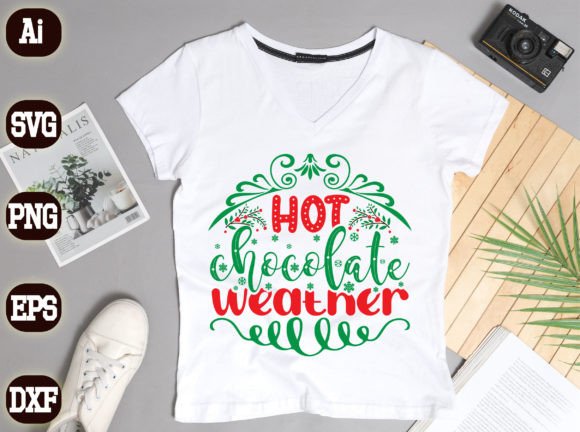
When I first opened the file for Hot Chocolate Weather223, my immediate impression wasn't just about a cup of cocoa. It was about an entire mood. This design captures a specific, cozy feeling—the kind you want to stitch onto something meant for warmth and comfort. As an embroidery designer, I look for files that tell a story beyond the stitches, and this one does that with a charmingly simple, illustration-style layout. It's not overly detailed, which is actually a significant advantage for many real-world embroidery projects.
The Perfect Project Starts With the Right Feeling
My first thought when evaluating an embroidery file like this is: what garment or product does it want to live on? Hot Chocolate Weather223 has a friendly, approachable personality. It doesn't feel formal or corporate. It feels handmade and personal. I immediately pictured it on a heavyweight cotton sweatshirt or a canvas tote bag—items that embody that "cozy" theme perfectly. The design's balanced shape and central focal point make it a versatile candidate for the chest area of a sweatshirt or the front panel of a bag.
I envisioned a real-life scenario: preparing a custom embroidered tote as a holiday gift for a client's book club. This design would be ideal. It's universally pleasant, not seasonal-specific, and conveys a sense of warmth and community. The visual appeal here is about creating a product that feels thoughtful and well-made, which directly boosts its giftability and perceived value in a small shop setting.
Where This Design Will Shine (And Where to Be Cautious)
For crafters and apparel decorators, the practical performance of an embroidery file on various materials is crucial. Hot Chocolate Weather223, with its likely use of bold outlines and solid fill areas, should translate well into clean satin stitches and fill stitches on stable fabrics. Think cotton, linen, or fleece. It would make a beautiful addition to a kitchen towel or a pillow cover for a boutique home goods line. Its clarity would also work nicely for a simple embroidered patch.
However, this is where practical judgment comes in. On textured fabrics like a sweater knit, or on thin, stretchy fabrics like a standard t-shirt, the clarity of those filled shapes could become compromised without the right stabilizer strategy. On curved surfaces like caps, the central, circular mug shape would likely hoop well, but you'd need to be mindful of the stitch density to prevent a stiff, uncomfortable finish.
The most careful consideration should be given to scale. While the description lists SVG and DXF files—great for scaling—in actual machine embroidery, you must test the design at your intended hoop size. If you try to stitch this too small, any small lettering or intricate decorative accents within the design might lose definition. Conversely, stitching it very large on a small item, like a baby bib, could overwhelm the product. Always test on scrap fabric first.
Turning a Digital File into a Trusted Product
For Etsy sellers and creative entrepreneurs, the journey from a digital embroidery file to a finished product that customers love involves several quality checks. With Hot Chocolate Weather223, I would focus on thread color contrast. On light fabrics, a rich brown for the mug and a creamy off-white for the "steam" would make it pop. On dark fabrics, you might need to lighten your palette significantly or even consider a reverse approach with lighter fill stitches to maintain visual clarity.
This directly affects customer trust and your brand's professionalism. A crisp, clean embroidery result from a well-chosen file makes your handmade presentation look expert. It also ensures brand consistency if you're using similar themed designs across your product line. For commercial embroidery projects, where you might be producing dozens of items for a small business client, this reliability is paramount.
Practical Notes for the Working Designer
Before committing this design to a final product, here is my standard review process, which I recommend to any maker:
- Test, test, test. Run the design on a scrap of your target fabric with your chosen stabilizer.
- Check the stitch density in your machine software. High density on delicate fabrics can cause puckering.
- Inspect the small details. Look at any tiny elements in the file to ensure they will stitch out cleanly.
- View it in black and white. Create a simple mockup to see how the design reads without color, which helps judge its form.
- Compare light and dark backgrounds. Think about where your customers will use the finished product—is it mostly for light apparel, or do you offer dark options?
Finally, a critical step for anyone selling finished items or digital products: confirm the licensing. The product description mentions the file types but does not specify license terms. It is your responsibility to verify whether Hot Chocolate Weather223 is cleared for personal use, commercial use, or both before you embroider it onto merchandise for your craft business or list it in any digital product preview. This protects your business and respects the original designer.
Hot Chocolate Weather223 has the inherent charm and straightforward composition that can lead to a successful embroidery project. By approaching it with this practical, real-use mindset—thinking about fabric, scale, color, and end-use—you transform a graphic into a professional, appealing handmade product that truly feels like hot chocolate weather.