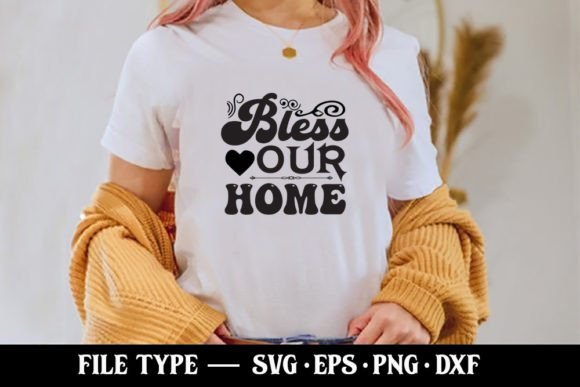
A Designer's Review of the 'Bless Our Home' Embroidery File
When you download a new embroidery design, the first click into the preview folder is always a moment of judgment. You're not just looking at a graphic; you're visualizing stitches, fabric, and the final product in a customer's hands. The 'Bless Our Home' SVG file presents itself with a clear, classic sentiment. The phrase is timeless, and the design's layout feels balanced and welcoming—it’s the kind of motif that doesn't shout but quietly affirms. As an experienced designer, my immediate thought isn't about the file formats, but about the mood it creates: cozy, heartfelt, and inherently giftable. This isn't a trendy, flashy design; it’s a steady, reliable one that speaks to a sense of place and belonging.
The Natural Habitat for This Design: Where It Thrives
Embroidery designs have personalities, and they find their best expression on specific products. For 'Bless Our Home,' I instinctively picture it on items that are, well, home-centric. Imagine a custom embroidered pillow cover for a housewarming gift, or a neatly stitched tea towel hanging in a kitchen. It feels perfect for that personalized touch on a family blanket or nursery decor.
But let's think commercially. For small business owners and Etsy sellers, this design is a versatile asset. It could elevate a simple tote bag into a boutique-quality product, or add a heartfelt touch to an apron. On a sweatshirt, it becomes a comfortable, personal statement. For baby items, embroidered onto a little onesie or a keepsake blanket, it carries a gentle, familial message. The design’s clarity and theme make it a strong candidate for holiday gifts—think Thanksgiving or Christmas—where 'home' is a central theme. It also works beautifully as an embroidered patch, which could then be applied to caps, backpacks, or jackets, offering flexibility for your craft business merchandise.
Considering the Stitch: Practical Performance on Real Fabrics
Moving from concept to machine embroidery design requires practical thinking. The provided SVG, PNG, EPS, and DXF formats mean you have flexibility for different software and processes, but the real test is in the hoop.
Because this design centers on text, the stitch execution is crucial for clarity. On stable fabrics like cotton for pillow covers or canvas for tote bags, the satin stitch for lettering should come out clean and sharp. On apparel like sweatshirts or t-shirts, you'll need to consider fabric texture and stretch. A good stabilizer is non-negotiable here to prevent puckering and keep the message looking crisp. For darker fabrics, thread color contrast becomes a key design decision—a bright white or a soft cream could make the phrase pop beautifully.
There are, however, places to proceed with caution. If you're considering very small hoop sizes to miniaturize the design for a cap’s curved surface or a baby garment’s tiny pocket, inspect the small details closely. Tiny lettering can become dense and lose definition if the stitch density is too high. Always, always test on scrap fabric first. This simple step saves threads, time, and potential client disappointment. Also, test the design in your software with both light and dark background mockups to truly judge its visual appeal across your product range.
Where This Design Adds Real Value for Your Business
For creative entrepreneurs, a design file isn't just a pattern; it's a product ingredient. 'Bless Our Home' adds value in several tangible ways. First, its visual appeal is straightforward and professional. A cleanly embroidered item featuring this phrase looks carefully made, which builds customer trust in your handmade presentation. It supports brand consistency if 'home' and 'family' are themes in your shop. Its giftability is high—it’s an easy choice for a customer looking for a personalized wedding gift, a new home present, or a sentimental holiday item.
For digital product sellers, these files are ready-to-use design assets for creating printable mockups or previews. For commercial embroidery projects, such as producing a batch of aprons for a local boutique, the design’s universal message has broad recognition and appeal. It engages buyers by tapping into a common, positive emotion. That practical, realistic value is what turns a graphics file into a profitable finished product.
A Few Designer Notes Before You Hoop It Up
Before you run this embroidery file for a client project or your next craft fair product, here’s my friendly, experienced advice. While the design feels simple, never assume. Check your actual stitch density settings before the final run. Ensure your chosen hoop size is appropriate for the scale you want; a larger scale on a pillow might feel welcoming, a smaller scale on a cap needs precision.
Consider thread colors not just for contrast, but for mood. A traditional red might feel classic, a soft sage green could feel modern and calm. Since the product category is listed as T-Shirt Designs and Graphics, remember that embroidery on stretchy t-shirt material requires extra attention to stabilizer and possibly a lighter fill stitch approach to maintain fabric drape.
Crucially, confirm the licensing terms for this design. The description notes it's ready to use, but you must understand whether your use is for personal projects, or if you are cleared to sell the finished embroidered items or use it in commercial embroidery. This is a fundamental step for any professional designer or small shop owner.
Finally, view this design as a core, reliable part of your toolkit. It won’t be the flashiest design in your collection, but for the right project—a custom embroidered kitchen towel, a personalized baby gift, a boutique sweatshirt—it will perform with quiet confidence and clarity. That’s the mark of a useful design asset: it does its job beautifully, making your final product look and feel exactly as intended.