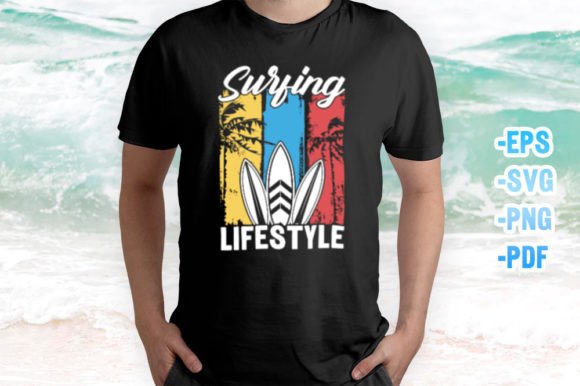
An Embroidery Designer’s Perspective on Surfing Lifestyle
The First Glance: Where This Design Finds Its Wave
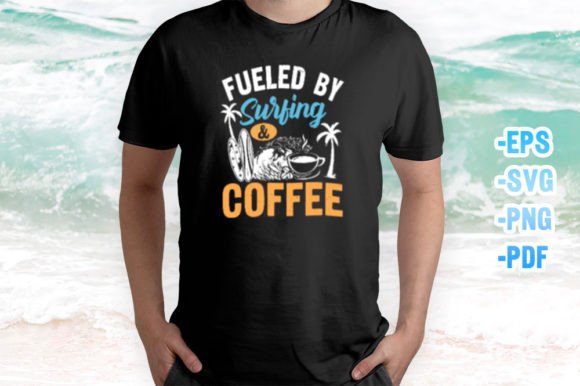
When I first opened the Surfing Lifestyle design, my immediate thought wasn't about its technical specs. It was about the mood. This isn't a hyper-detailed, competitive sport graphic; it’s a vibe. The laid-back, casual theme instantly suggests relaxation, freedom, and a love for the beach. The layout feels balanced, with visual elements that convey motion without being overly busy. For an embroidery designer, that’s a crucial first impression—it tells me this design belongs on projects meant for enjoyment, for gifting, for expressing a personal passion rather than just a logo.
Its visual personality is friendly and approachable. The detail level looks manageable—it doesn't appear to have tiny, hair-thin lines that would vanish in stitching or overly dense fills that would create a stiff, heavy patch on lightweight fabric. This makes it a natural candidate for the kind of projects my clients and my own small shop often request: personalized gifts, boutique merchandise, and apparel that feels handmade and special.
Putting It Into Real Projects: Where Surfing Lifestyle Shines
Let’s get practical. I envision using Surfing Lifestyle for a custom embroidered tote bag for a client who loves coastal living. The design’s theme would translate perfectly onto that canvas fabric, becoming a statement piece rather than just a decoration. On a heavyweight sweatshirt, it would sit nicely on the chest or sleeve, its stitches holding up well to the fabric’s texture. I’d also consider it for a baby’s quilt or a set of pillow covers for a beach-house rental business—projects where the aesthetic is as important as the function.
For my craft business and Etsy listings, this design offers versatility. It could anchor a line of summer-themed products: embroidered tea towels, aprons for a coastal kitchen, or even a simple, elegant patch sewn onto a denim jacket. As a digital embroidery file, its appeal in printable mockups for digital product sellers is clear—it instantly communicates a lifestyle, which helps in marketing. For holiday gifts, like a Father’s Day cap or a personalized beach blanket for a wedding gift, Surfing Lifestyle carries that sentimental, thematic weight that buyers look for.
Considering Commercial Use and Customer Appeal
From a commercial embroidery perspective, using a design like this on products for a small shop increases perceived value. It feels curated, not generic. When a customer sees Surfing Lifestyle embroidered on a product, they recognize a coherent theme, which builds trust in your brand’s consistency. The handmade presentation is enhanced because the design is inherently decorative and giftable—it looks like something made with care, not just stamped on. This directly affects buyer engagement in a craft fair booth or an online listing; people connect with the story behind the graphic.
Navigating the Challenges: Where to Use Careful Judgment
No design is universally perfect, and a professional review requires honesty about limitations. While Surfing Lifestyle looks adaptable, I would proceed with caution on certain projects. If the design includes small lettering or intricate decorative accents within its layout, stitching it onto a curved surface like a cap could present challenges—those details might lose clarity. On very thin or stretchy fabric, like a lightweight t-shirt, stitch density needs to be appropriate to prevent puckering or distortion, so testing is essential.
Embroidering on dark fabric backgrounds requires thoughtful thread color contrast. The natural, likely lighter tones suggested by a surfing theme might need adjustment to pop against a navy or black garment. Also, for products destined for frequent washing, like kitchen towels or baby clothes, the stability of the stitches and the design’s overall integrity on the fabric after repeated laundering is a key consideration. A design with very large, solid fill stitch areas might be less ideal for those high-wear items.
For textured fabrics or layered garments, the choice of stabilizer becomes even more critical to ensure the Surfing Lifestyle design sits cleanly and doesn’t sink into the texture. And while it might be perfect for a statement pillow cover, I’d hesitate to use it in a very small hoop size if the design is broad; scaling it down too much could compress details and lose that easy-going visual appeal.
Practical Notes from the Hoop
Before committing Surfing Lifestyle to a client’s project or my own inventory, my workflow always includes a few concrete steps. First, I stitch it out on scrap fabric—preferably a similar material to the final product. This reveals the true behavior of the embroidery file: the actual stitch density, how small details like any wave lines or lettering translate, and how the satin stitches or fill stitches lay down.
I check thread color contrast meticulously, sometimes testing the same design on both light and dark fabric scraps to see the difference. I confirm the hoop size needed for a clean stitch-out and inspect whether any corners or complex shapes might require manual adjustments during embroidery. Creating simple black and white mockups can also help visualize the design stripped of color, focusing purely on its form and layout strength.
A crucial, often overlooked step is verifying the licensing terms for the digital embroidery file. Whether I’m using it for personal gifts, commercial embroidery for a craft business, or creating digital product previews, I need to know the permitted uses. This protects my business and respects the designer. Finally, I consider how Surfing Lifestyle fits into my broader product range—does it complement my brand, or is it a one-off experiment? For a design with such a clear thematic appeal, it often can become a cornerstone for a seasonal collection.
The Final Impression: A Design Ready for Creative Waves
In my judgment, Surfing Lifestyle is a design that invites creativity. It’s not just a graphic; it’s a starting point for meaningful embroidery projects. Its mood translates well into stitches, its theme resonates with customers looking for personalized, handmade products, and its apparent structure suggests it will perform reliably in the hoop. For embroidery designers, small business owners, and makers, it represents a solid design asset—one that, with proper testing and thoughtful application, can elevate a simple garment into a cherished gift or a standout piece of boutique merchandise. The key, as always, is pairing the design’s potential with practical embroidery wisdom.