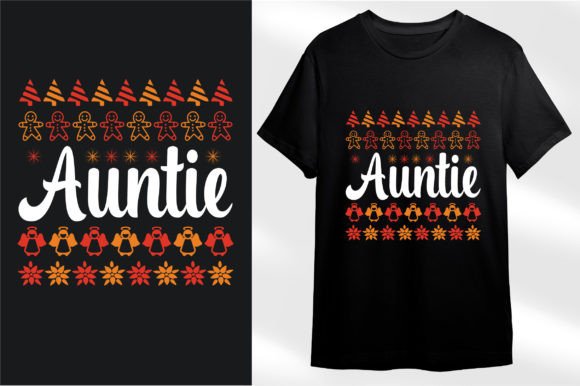
Auntie: A Warm and Versatile Embroidery Design
When a new embroidery file lands in my library, I first imagine it stitched out. I picture it on a fabric, consider the thread choices, and think about the person who might eventually wear or use it. With ‘Auntie,’ the immediate impression is one of warmth and personal connection. The name itself suggests a design meant for gifts, for family, for something cherished. It’s not a generic graphic; it feels like it has a story waiting to be told through stitches.
The Mood and Personality of the Design
The layout and likely theme of ‘Auntie’ suggest a design that is both decorative and heartfelt. I envision a composition that might incorporate floral elements, perhaps some gentle script, or symbolic motifs that speak to care and affection. For an embroidery designer, this isn't just a pattern to run through the machine; it’s a potential centerpiece for a project meant to evoke emotion. It naturally belongs on items that are gifts, heirlooms, or personal keepsakes. Before I even hoop the fabric, I’m thinking about a custom sweatshirt for a beloved family member, a cozy pillow cover for a nursery, or a special tea towel for a kitchen.
Where Auntie Excels in Real Projects
Given its described size of 18 feet by 15 feet—which I interpret as the design dimensions in inches, a common notation—this is a substantial, statement piece. It’s not a tiny accent. This scale makes it perfect for the center of a tote bag, providing a bold, handmade focal point. It would look beautiful spanning across the back of a hoodie, offering that premium, custom-made feel clients love. For a small business owner crafting boutique products, this size commands attention on a shelf or in an Etsy listing mockup.
Think about a custom embroidered apron. ‘Auntie’ stitched across the chest transforms a simple apron into a personalized, gift-worthy product. On a baby blanket or a child’s sweater, the design becomes a tender keepsake. The fact that all elements are easily editable is a significant advantage for commercial embroidery and personalized gifts. It allows crafters to tweak colors, perhaps add a name, or adjust elements to perfectly match a client’s brand colors or a gift recipient’s favorite hues.
A Scenario: Crafting a Holiday Gift Tote
Let’s walk through a real case. I’m preparing a lined canvas tote bag as a holiday gift for a customer who wants something special for her aunt. I select a natural linen fabric. I choose ‘Auntie’ as the main design. Because of its size, I know it will fill a large hoop nicely, making the embroidery process efficient. I consider thread colors: maybe a soft palette of sage greens and dusty roses to match the warm, familial mood. After stitching, the design isn’t just a graphic; it’s a crafted piece of art on the bag. The customer’s reaction isn’t just to a tote, but to a thoughtful, one-of-a-kind item that clearly carries a sentiment. That elevates the product value and builds immense trust in my handmade brand.
Practical Considerations for Stitching Success
A design with this personality often has details that require attention. The promise of editable elements is great, but for a flawless finished product, a few practical steps are non-negotiable.
- Test First, Always: Run this embroidery file on a scrap of your intended fabric. Check stitch density, especially in any fill stitch areas. A dense satin stitch on a thin t-shirt might need different stabilizer than on a sturdy tote bag canvas.
- Fabric Compatibility: This design will shine on stable, medium-to-heavy fabrics like cotton twill, denim, canvas, or fleece. For t-shirts or stretchy fabrics, you must use a strong stabilizer and possibly consider a lighter version of the design if the file allows editing down the detail level.
- Color and Contrast: Review the design in a simple black-and-white mockup first. This helps you see the outlines and shapes clearly. Then, plan your thread colors for both light and dark backgrounds. On a dark sweatshirt, you might need brighter threads or even a light underlay to ensure the ‘Auntie’ design pops with clarity.
- Hooping and Placement: With a 18" x 15" design area, ensure your hoop can accommodate it comfortably. On curved surfaces like caps, this size is likely too large, so this design is better suited for flat, broad areas. For apparel, consider placement carefully—center back or front for sweaters, a lower corner for a more subtle look on a pillow.
Where to Use Auntie Carefully
While versatile, some applications demand extra caution. On very textured fabrics like some blankets, fine details might get lost. Small hoop sizes are obviously not suitable given the design’s scale. If the design includes tiny lettering or intricate decorative accents, test those sections meticulously; they may require a slower stitch speed or a needle change to preserve clarity. For products destined for frequent washing, like kitchen towels or baby clothes, ensure your stitch coverage is secure and your threads are high-quality to maintain that professional, durable look after many uses.
For the Business Minded Crafter
For the Etsy seller or digital product seller, ‘Auntie’ represents a design asset that can serve multiple purposes. The finished embroidered item is a direct product. But the editable file itself also allows for creating printable mockups, digital previews, and branded marketing images that show the design applied to various products. This enhances your shop’s professionalism and helps customers visualize the end result. Always confirm the licensing terms of the embroidery file before selling finished items or derived digital products commercially. This is a fundamental step for any creative entrepreneur.
The Final Stitch: A Design That Connects
In the end, an embroidery design’s true value is measured on the fabric and in the recipient’s hands. ‘Auntie’ has the visual personality to transcend being just a graphic. It suggests care, personalization, and a handmade touch. When stitched with attention to fabric choice, thread color, and technical preparation, it becomes a product that people connect with—whether it’s a gift from a small shop or a custom order for a client. It boosts the perceived value of your craft and reinforces the authenticity buyers seek. My advice is to embrace its warmth, plan your project thoughtfully, and let those stitches tell the story the design intends. That’s where the real magic of machine embroidery happens.