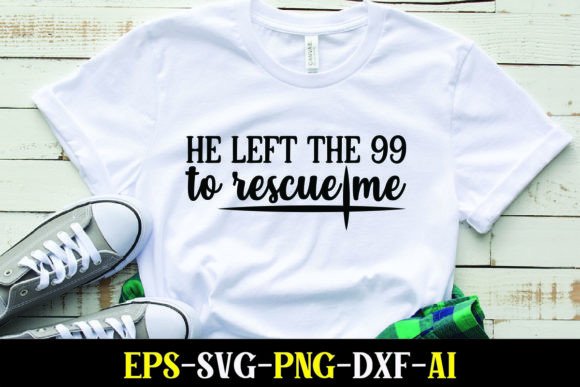
He Left the 99 to Rescue Me Graphics for T-Shirt Designs
First Impression: A Design Asset Built for Emotional Campaigns
From a brand designer’s perspective, the first thing I notice about He Left the 99 to Rescue Me is its immediate emotional resonance. This isn't just a decorative graphic; it's a storytelling device. The phrase itself carries weight, and the design asset translates that into a visual tone suitable for campaigns centered on faith, community, devotion, or personal journeys. For a client launching a small business in the lifestyle or inspirational product space, this graphic design asset creates a mood of premium sincerity. It feels appropriate for casual, heartfelt branding—think a boutique selling faith-based merchandise, an online coach's content kit, or a blogger's seasonal editorial graphics. The emotional tone it brings is one of warmth and intentionality, which directly influences audience perception towards trust and connection.
Integrating the Design into a Real Social Media Refresh Project
Let’s frame this around a real case: a creative entrepreneur is refreshing their social media visuals to promote a new product launch. They need a cohesive set of marketing visuals for Instagram posts, Pinterest pins, and Facebook ads. He Left the 99 to Rescue Me enters the workflow here as a versatile anchor. With 100 editable and color-changeable files—including Ai, EPS, SVG, and high-resolution PNGs—the asset offers immense flexibility. I can adapt the colors to match the brand's palette instantly. The transparent backgrounds and provided mockups mean I can place this graphic onto product labels, digital ads, or email banners without a messy, unprofessional look. This supports a stronger first impression across all touchpoints.
Where This Graphic Design Asset Performs Best in Marketing
In practical branding situations, this digital product shines in specific applications. For brand identity, it can serve as a powerful accent graphic, not a primary logo, but a complementary element on packaging design or website headers. Its strength is in visual content creation: as hero graphics for a campaign landing page, decorative elements on printable promotions like event flyers, or as the focal point in a set of social media graphics. The high-quality formats ensure it maintains a professional appearance on merchandise like t-shirts and stickers, which is the primary category, but also on digital product visuals like lead magnets and media kits.
It supports marketing goals by providing clearer visual hierarchy. When used as a blog graphic or a Pinterest pin, the design becomes the centerpiece, allowing supporting text to be minimal and clean. This leads to better engagement and more memorable campaign visuals. For a content creator building a Canva template bundle, the editable SVG and PNG files allow for easy integration, fostering more consistent branding across an entire content series.
Campaign Applications: From Email Banners to Packaging Inserts
Imagine using He Left the 99 to Rescue Me as the central motif for a seasonal offer. The design asset can scale beautifully for a large poster yet remain readable in a smaller format, like a packaging insert or a digital ad thumbnail. For editorial design, such as a newsletter or a downloadable PDF, the graphic adds a layer of visual sophistication without competing with dense information. It works exceptionally well as a branded template for promotional banners and social media covers, creating an emotional connection that improves audience trust.
Strategic Placement: Where This Creative Design Works Best
To maximize its impact, I recommend deploying this illustration in areas where mood and emotion are paramount. Use it as a campaign header for a product launch centered around a meaningful message. It’s ideal for content bundles aimed at a specific community, where the visual instantly signals shared values. As decorative brand elements on lifestyle product photos or website accents, it reinforces brand recognition without being overwhelming. The provided JPG with high-quality mockup is a practical starting point for seeing how it integrates into real-world product presentation.
Important Limitations for Professional Branding Use
However, a seasoned brand designer must also note where this asset should be used carefully. Its ornate and meaningful nature may not align with formal corporate branding or overly minimal brands. Avoid placing it in dense information layouts or text-heavy ads where it could compete with the core message. On very small mobile graphics, the detail might lose impact, so readability in small sizes must be tested. It may feel out of place on low-contrast backgrounds where the message gets lost. The key is to let it support the main communication, not dominate it.
Practical Brand Designer Notes Before Your Campaign
Before committing this graphic design asset to a paid campaign or client work, run these checks. First, test it with your brand color palette using the color-changeable files. Preview it on mobile screens and in black and white usage to ensure versatility. Place it inside real campaign mockups you’re already designing to assess spacing and balance. Compare it against competitor visuals to ensure it stands out yet feels authentic to your audience.
Font pairing is crucial. See how He Left the 99 to Rescue Me pairs with a clean sans serif font for a modern look, a classic serif for a traditional feel, or a subtle script font for a cohesive handmade aesthetic. Avoid overly bold display fonts that might clash. Finally, always confirm commercial licensing for your use case—whether for digital sales, physical merchandise, or advertising. This design bundle from a creative marketplace is clearly intended for commercial design, but verifying the specifics protects your business branding.
The Final Verdict for Content Creators and Marketers
For brand owners, bloggers, and digital sellers operating in the inspirational niche, He Left the 99 to Rescue Me is a potent marketing visual. It provides a ready-made emotional hook that can elevate product presentation, unify a content kit, and strengthen the visual consistency of a campaign. Its technical specs—the array of editable vector and raster files—make it a practical, professional choice for anyone from social media managers to product creators. By applying it strategically where its mood amplifies your message, and cautiously where its style might distract, this graphic design asset becomes a valuable tool for building stronger recognition and deeper audience connections through your visual content.