Cat-Centric Graphics for T-Shirt Designs & Local Branding
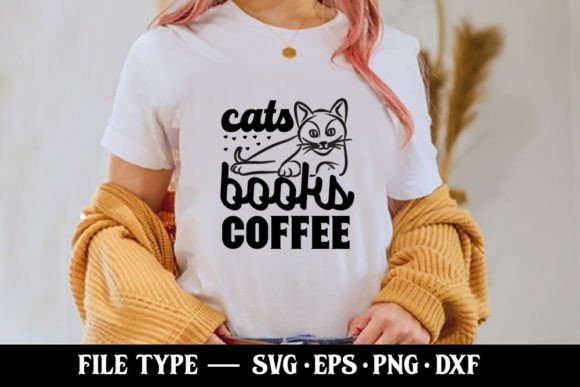
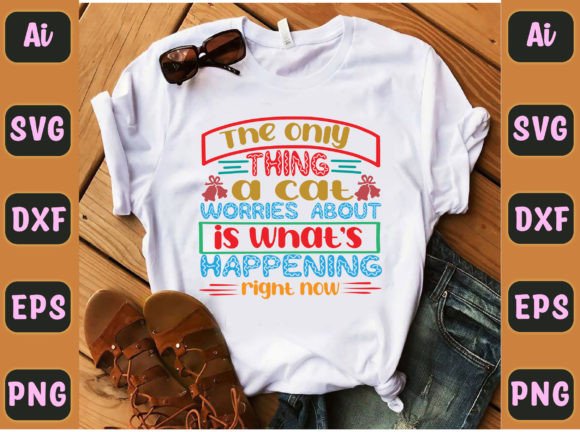
In my studio, reviewing a new graphic design asset for a client's project, my first impression of The Only Thing a Cat Worries About is Wh is its immediate warmth and playfulness. This isn't a generic piece of clipart; it carries a specific, relaxed personality. It suggests a brand that is approachable, whimsical, and deeply connected to a sense of comfort and the present moment. For a local business, this translates into a friendly, soft, and potentially handmade or organic feel.
Matching Mood to Market: Where This Graphic Thrives
Imagine applying this to a real project, like rebranding a neighborhood cat-themed café or a boutique selling handmade knitted goods. The sentiment here is perfect. It wouldn’t suit a stark, minimalist luxury skincare brand, but for businesses built on community, warmth, and a touch of humor—like bakeries with cat-shaped pastries, independent bookstores, children’s product brands, or cozy home decor shops—it’s a resonant fit. The graphic feels playful and decorative without being overly festive or bold, offering a gentle brand accent.
From Digital Download to Physical Package: Practical Applications
As a brand designer, I look beyond the file format and immediately visualize applications. With SVG and DXF files, the asset is editable and scalable, which is crucial for professional branding. Here’s how The Only Thing a Cat Worries About is Wh can elevate a local business’s visual presence:
- Product Labels & Packaging Accents: This could be the hero graphic on a jar of artisan honey or a subtle decorative element on the corner of a candle brand’s box, creating stronger shelf appeal.
- Brand Identity Elements: While not a logo itself, it could serve as a supporting illustration within a logo lockup for a pet-friendly florist or a complementary mark on business cards.
- Promotional & Social Media Graphics: It’s ready for social media campaign graphics, website banners, or promotional ads for a seasonal “Cozy Winter” campaign, fostering a stronger emotional connection.
- In-Store & Print Collateral: Think menu graphics for that cat café, flyers, posters, or elegant thank-you cards included with online orders, all contributing to a more consistent brand identity.
- Product Mockups & Hang Tags: Applied digitally to mockups of t-shirts or tote bags, or printed on hang tags for handmade soap, it immediately improves product recognition and presentation.
Building Trust Through Polished Presentation
For small business owners, every detail matters. Using a well-integrated graphic like this supports business presentation in tangible ways. It helps create a stronger first impression on packaging, suggests a more professional operation, and builds customer trust through cohesive, intentional design. On a product label, it can create a clearer visual hierarchy by drawing the eye to the brand name before the practical details. For a boutique’s Instagram, it provides polished marketing visuals that stand out from generic stock photos.
The Ideal Real-World Use Cases
This asset works best as an accent, not the core information carrier. I’d prioritize it for:
- Primary product labels where the mood aligns with the product’s story.
- Decorative brand elements on packaging, like a patterned background on a box flap.
- Hero graphics on seasonal promotional materials or limited-edition items.
- Social media graphics celebrating a “slow living” or pet-centric theme.
- Printable inserts and thank-you cards that enhance the unboxing experience.
Notes for Careful Commercial Application
Even with its charm, a brand designer must apply strategic caution. The Only Thing a Cat Worries About is Wh should be used carefully in certain contexts:
- On very small labels where the detail might become unclear.
- In crowded product packaging layouts, especially alongside ingredient lists or legal text, where it could compete for attention.
- Against low-contrast backgrounds that reduce its visibility.
- For formal corporate branding where a playful tone is inappropriate.
- On luxury minimalist brands where decorative elements might clash with a clean aesthetic.
A Brand Designer’s Pre-Use Checklist
Before I commit this graphic to a client’s project, I run through a practical checklist. These steps ensure the asset supports, not hinders, the commercial design.
Test on Real Mockups: Place it on a digital mockup of the actual product packaging or label. See how it interacts with your typography—test it beside a clean sans serif font for a modern look, or a friendly script font to enhance the handmade feel.
Check Scalability & Legibility: Preview it at the smallest size it will be used, like on a small jar label. Also, check its appearance in black and white for any potential print scenarios.
Verify Integration: Test it with your brand’s color palette. Does it harmonize, or clash? Compare its style on a mockup next to competitor packaging to ensure it stands out appropriately.
Confirm Technical Quality: For physical products, always check the SVG vector paths for clean editability and anticipate final print quality. Review PNG transparency if using it for web design or Canva templates.
License for Confidence: Crucially, confirm the commercial license allows use for client work, business branding, and physical product sales. This is the foundation of ethical and legal professional branding.
The Final Value for Creative Entrepreneurs
For the handmade seller, the local coffee shop owner, or the marketer crafting a campaign, The Only Thing a Cat Worries About is Wh is more than a t-shirt design graphic. It’s a versatile tool for building a recognizable and emotionally engaging brand identity. When applied thoughtfully—to packaging design, promotional visuals, and brand presentation—it moves a business from simply selling a product to telling a relatable story, right where the customer’s eye, and heart, are focused.