Beyond the Screen: Evaluating 'Enjoy the Little Things' for Real Embroidery
The First Impression: Quiet Joy, Clean Lines
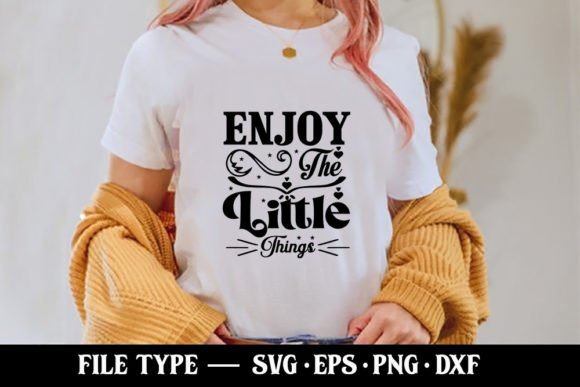
Opening the ‘Enjoy the Little Things’ design file, the immediate feeling is one of calm optimism. This isn’t a loud, brash motivational quote; it’s a gentle reminder. The typography and layout tend toward clean, often with a balanced, flowing script for the main phrase and simpler lettering for any supporting text. This creates a visual personality that’s warm and approachable, not harsh or corporate. It speaks to the crafter looking to infuse a project with a sense of mindful appreciation. For embroidery, this means the design inherently belongs to projects meant for personal reflection or heartfelt gifting—a tote bag for a friend who needs a lift, a pillow cover for a cozy reading nook, or a lightweight sweatshirt for casual, comforting wear.
Where This Design Finds Its Home
In practical application, ‘Enjoy the Little Things’ performs beautifully across a range of substrates. Its typically moderate detail level and open layout make it a versatile candidate. I envision it stitched onto a canvas tote bag with a crisp satin stitch for the letters, creating a durable and stylish everyday accessory. On a baby’s blanket or a set of nursery pillow covers, embroidered in soft pastel threads, it becomes a sweet, subtle mantra. For small business merchandise, like embroidered patches or apron designs for a boutique kitchen shop, it adds value through its universal, positive message. It’s equally strong as a focal point on a holiday gift, like a monogrammed tea towel, or as a small accent on the cuff of a cap.
The key to its versatility is its scalability. Because the design elements are usually not overly dense or intricately tangled, it can be sized up for a statement sweatshirt back or sized down for a delicate collar detail without losing its essence. This is crucial for embroidery designers working with various hoop sizes and project scales.
The Stitching Reality: Considerations for a Clean Finish
While ‘Enjoy the Little Things’ is generally forgiving, its successful translation from digital file to threaded product depends on mindful execution. On textured fabrics like thick sweaters or basketweave linens, the clean lines of the script can get lost if the stitch density isn’t adjusted; a slightly denser fill stitch might be needed for clarity. On thin or stretchy fabrics, such as fine t-shirts, the design’s stability relies heavily on the correct stabilizer choice to prevent puckering, especially around any decorative flourishes.
Dark fabric backgrounds require careful thread color selection—not just a light color, but one with enough contrast and brightness to pop without looking washed out. The most common pitfall lies in the small details. If the design includes tiny curls on the letters or minute decorative elements, they can become muddled or even break under frequent washing on items like kitchen towels or baby clothes. Always test these areas on scrap fabric first.
For curved surfaces like caps, the design’s layout needs to be assessed. A long, flowing script might need to be re-angled or slightly condensed to fit the curved plane without distortion. This is where having the vector file formats like SVG and EPS is invaluable for making adjustments without quality loss.
A Real Scenario: Crafting a Boutique Tote
Imagine you’re preparing a limited-run tote bag for your small shop. You choose a sturdy natural cotton canvas. ‘Enjoy the Little Things’ is selected for its giftable, uplifting vibe. In the embroidery software, you size it to sit comfortably centered, leaving generous negative space around it for a clean, modern look. You opt for a rich, earthy thread color to complement the fabric. Before hooping the final bag, you stitch it out on a similar canvas scrap. You check the stitch density—is it covering well without making the fabric stiff? You inspect the smallest loop in the word ‘Little’—does it stitch out cleanly without jumping? This test run confirms the design’s integrity and ensures the final product feels professional and durable, building customer trust in your handmade presentation.
Impact on Value and Perception
When stitched well, this design elevates a product. On a simple apparel item or home decor piece, it transforms it from a generic object into a personalized artifact with emotional resonance. This directly affects customer engagement and giftability. A well-embroidered ‘Enjoy the Little Things’ pillow cover feels like a considered, caring gift. For a small business, consistently using such a design across a line—say, on aprons, towels, and patches—can reinforce a brand identity centered on warmth and mindfulness. The professionalism comes not from the design alone, but from its flawless execution; crisp stitching with good thread contrast makes the digital design asset feel tangible and valuable.
Practical Notes for the Working Designer
My final advice is always pragmatic. First, regardless of your excitement, stitch this design out on a scrap of your target fabric first. This reveals everything: thread color contrast, the behavior of small details, and the required stabilizer. Second, always verify the licensing terms for ‘Enjoy the Little Things’ before incorporating it into commercial projects or selling finished items. The provided file formats—SVG, PNG, EPS, DXF—are excellent for flexibility, but the license governs your use. Third, consider its application in both light and dark backgrounds; create simple black and white mockups to see how the layout holds its visual weight. Finally, remember that embroidery is tactile. How will this design feel under the hand? On a baby blanket, smoother fill stitches might be preferable to textured satin stitches for comfort. On a decorative patch, density is key for durability.
‘Enjoy the Little Things’ is more than a graphic; it’s a sentiment waiting for texture. Its real value is unlocked when you, the designer, thoughtfully match it with the right fabric, the right thread, and the right purpose. It asks for a considered approach, and in return, it offers a finished product that genuinely resonates.